How D.A.Ranch and Chateau Tumbleweed are shaping Arizona wine

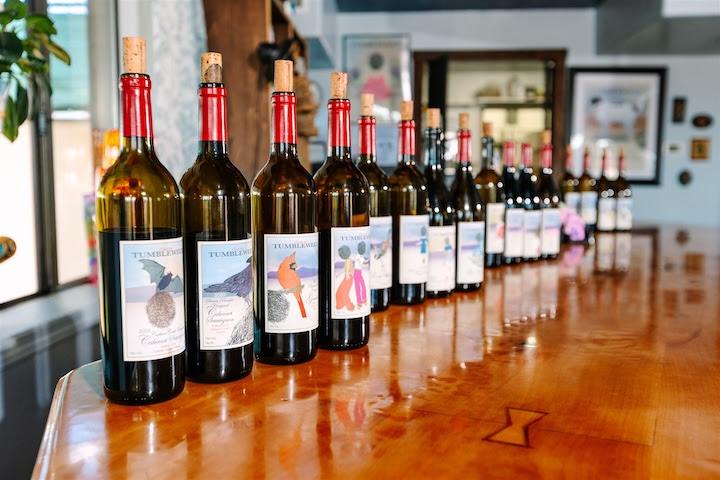
Arizona’s wine industry continues to gain national attention, but two of the state’s most respected wineries have spent more than a decade quietly helping shape its foundation. While operating independently, D.A.Ranch Estate Vineyards and Chateau Tumbleweed share more than an acclaimed winemaker. Together, they represent a broader movement rooted in stewardship, sustainability and a belief that Arizona wine succeeds when local wineries support one another.
Need more? Read more: Route 66 turns 100: here’s what to expect at Flagstaff’s centennial celebration
A shared winemaking philosophy rooted in Arizona terroir
At the center of both programs is Joe Bechard, whose minimal-intervention approach has guided each winery for more than a decade. In a region often associated with experimentation, Bechard’s steady philosophy has become a defining force.
Rather than manipulating wines heavily in the cellar, Bechard focuses on thoughtful harvest timing, restrained winemaking techniques and allowing each vineyard site to express itself naturally.
“The goal is to get it right from the pick,” Bechard says. “If you do that, everything else falls into place.”
That philosophy is reflected differently across each winery’s landscape.
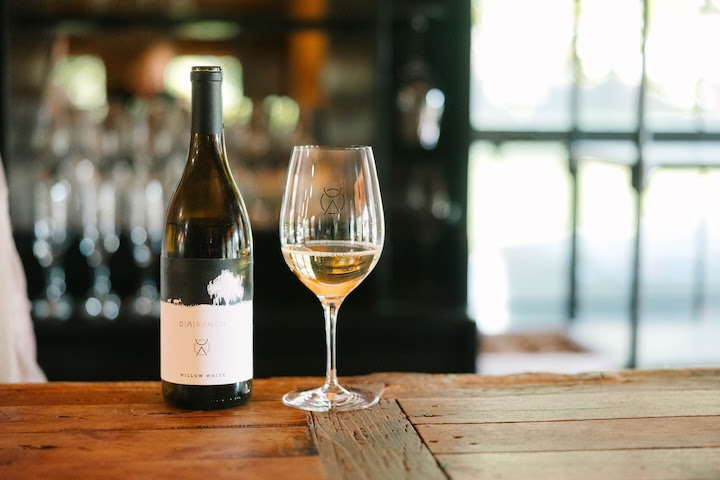
Verde Valley AVA vs. Willcox AVA: two sides of Arizona wine
D.A.Ranch Estate Vineyards sources exclusively from its estate vineyards in the Verde Valley AVA, where higher elevations and mineral-rich volcanic soils create structured wines with spice, depth and distinctive character.
Meanwhile, Chateau Tumbleweed works primarily with growers in the Willcox AVA, the southeastern Arizona region responsible for producing the majority of the state’s wine grapes. The area’s expansive loamy floodplains and dramatic temperature swings contribute to expressive fruit and balanced acidity.
Together, the wineries offer a compelling look at Arizona wine’s geographic range, showcasing how elevation, soil composition and climate shape dramatically different expressions from within the same state.

How Four-Eight Wineworks helped launch Arizona wine brands
The connection between the wineries traces back to 2012, when Maynard James Keenan launched Four Eight Wineworks, Arizona’s first winemaking cooperative.
Designed as an incubator for emerging Arizona wine labels, the co-op gave smaller brands access to production resources without requiring their own facilities. Bechard was brought in to oversee operations, and Chateau Tumbleweed became one of the earliest success stories to emerge from the collaborative model.
As Chateau Tumbleweed evolved beyond the co-op structure, another partnership was taking shape.
D.A.Ranch founder Melinda Petznick connected with Bechard while seeking a more focused direction for the estate’s wines. Over time, what began as a professional collaboration evolved into long-term alignment between two independently operated wineries.
Today, D.A.Ranch is led by the next generation, Trey Petznick and Alexis Petznick, while Chateau Tumbleweed remains independently operated and partially family-owned in Clarkdale.
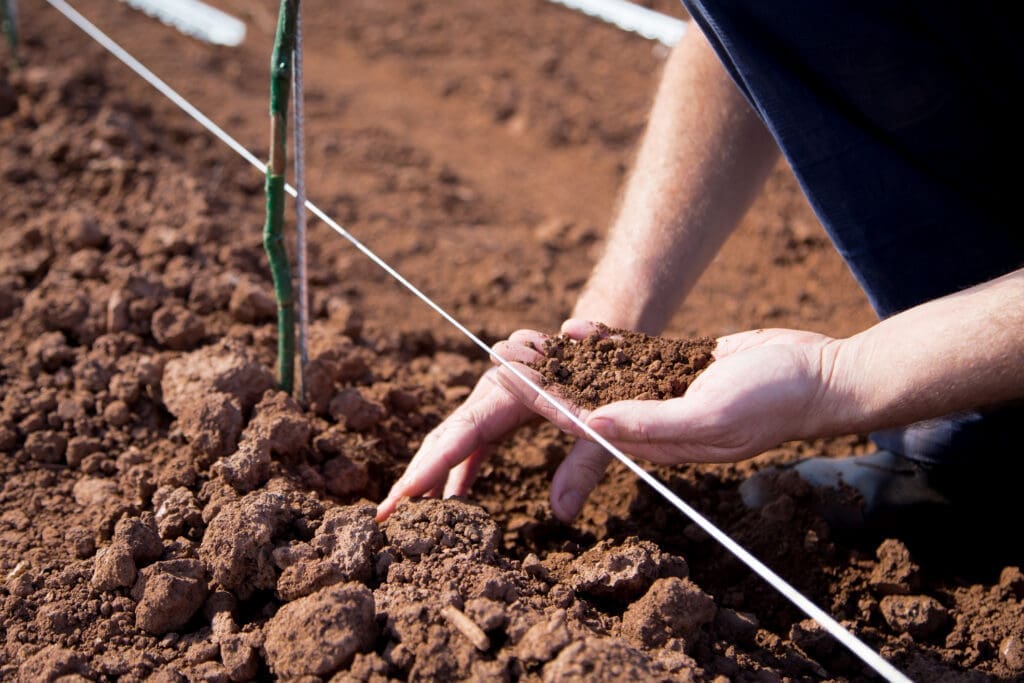
Why Arizona wineries are investing in local-first wine culture
Both wineries remain intentionally small in scale, focused on Arizona-grown fruit and committed to reinvesting in the local wine economy rather than chasing mass production.
“Arizona wine only works if we support it locally,” says Alexis Petznick. “I want it to feel normal for Arizonans to ask for Arizona wine at dinner. Where we spend our money reflects what we value, and this is about keeping our dollars, our culture, and our creativity here.”
That philosophy extends beyond the bottle.
At D.A.Ranch, vineyard manager Elliot Stephens oversees estate farming practices centered on soil health and long-term sustainability. At Chateau Tumbleweed, decades-long grower relationships help navigate Arizona’s demanding climate and water realities.
“Our vision is to create beautiful, intentional spaces for people and wine alike,” says Kris Pothier of Chateau Tumbleweed. “We’re part of a homegrown, local-first movement where wine, artistry, and community come before commerce.”
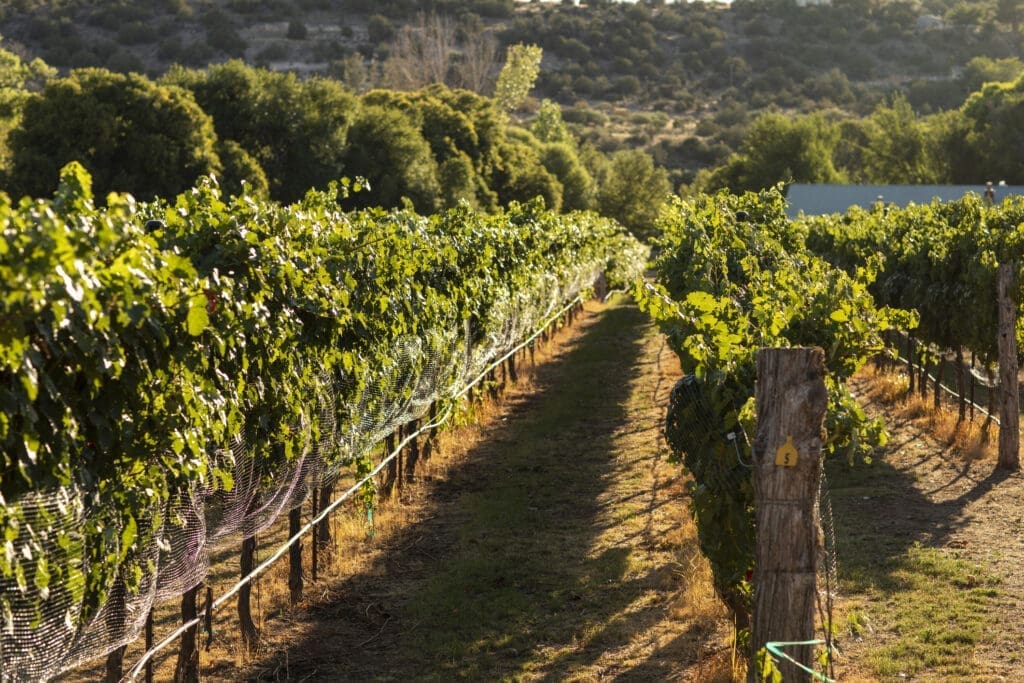
Arizona wine’s future may depend on collaboration
As Arizona’s wine industry continues to evolve under strict legislative limitations and distribution challenges, wineries like D.A.Ranch and Chateau Tumbleweed represent a different model for growth, one built less on scale and more on collaboration, authenticity and regional identity.
Rather than imitating Napa or Sonoma, Arizona wineries are increasingly carving out their own lane through sustainability, stewardship and community-driven investment.
More than a decade after their paths first crossed, the partnership between these wineries is no longer experimental. It is helping redefine what Arizona wine can become.
Good to know
Visitors can explore estate tastings, vineyard experiences and small-batch Arizona wines at both wineries throughout the year. To learn more, visit daranch.com and chateautumbleweed.com.